
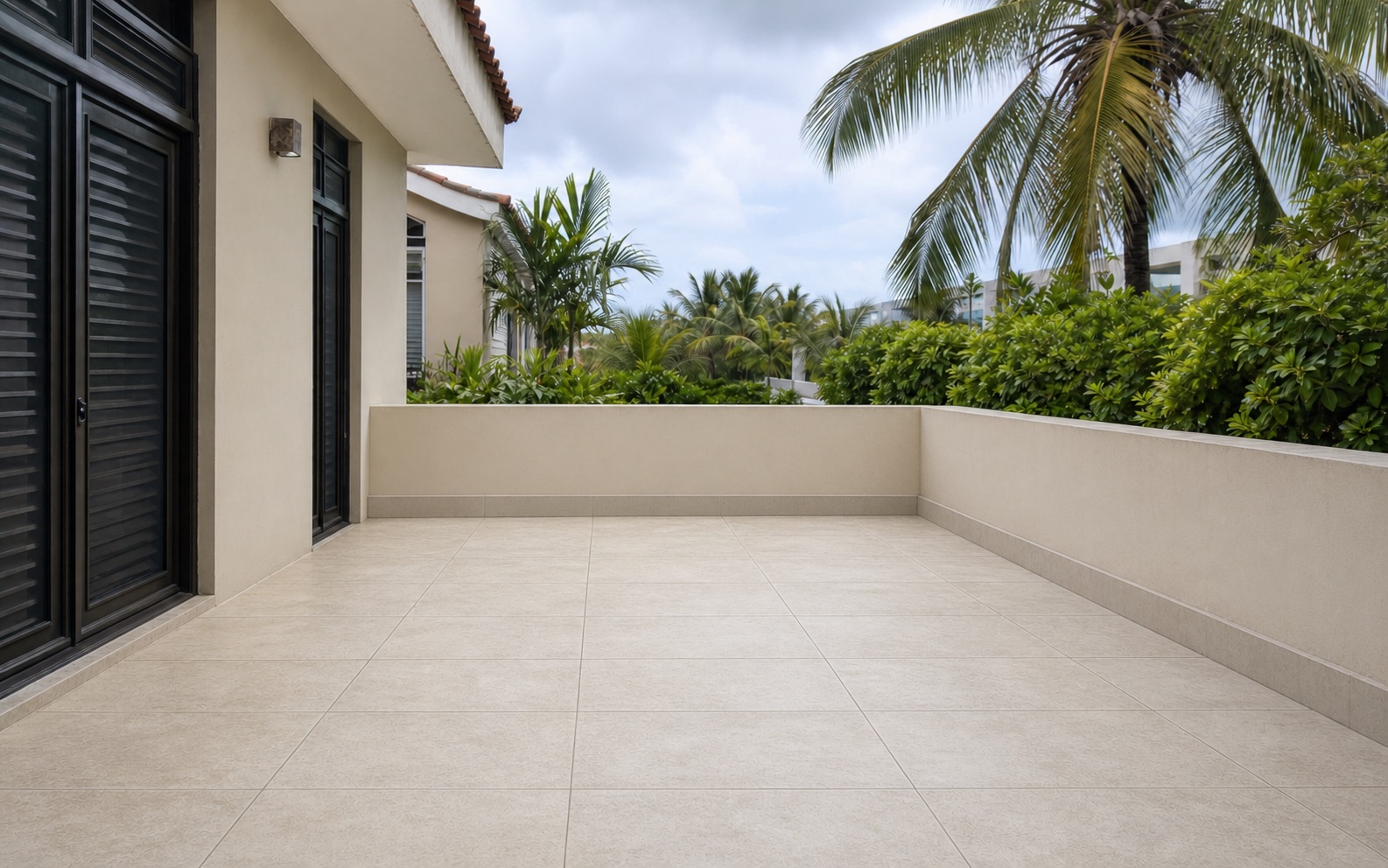
A beautiful view comes with a different maintenance equation
Owning property in Puerto Rico is deeply rewarding, especially near the coast. It also asks more from a building than many owners expect. Salt travels through the air, humidity stays high, ultraviolet exposure is relentless, and a clear morning can turn into hard rain before the afternoon is over. Add Saharan dust, tropical vegetation, power interruptions, and periods when a second home sits closed, and ordinary maintenance becomes a form of asset protection.
The most expensive problems are rarely dramatic at the beginning. They start as a rough spot on a railing, a dark line near a window, a slow drain on a roof, a musty cabinet, or sealant that has separated by a few millimeters. A strong maintenance plan is designed to notice those changes early, while the solution is still manageable.
Build the schedule around exposure, not the calendar alone
Two homes five miles apart may need different care. A residence directly exposed to trade winds and salt spray will age differently from a protected inland property. Materials matter too: stainless steel, aluminum, glass, limestone, concrete, painted stucco, wood, and outdoor fabrics each react differently to the Caribbean environment.
Reinforced-concrete and concrete-masonry construction are central to Puerto Rico’s residential landscape, often with low-slope or flat concrete roof decks. Concrete is strong, but it is not maintenance-free. Hairline cracking, failed waterproofing, ponding water, exposed metal, and movement around penetrations still need attention. The correct response is to manage water and preserve the assembly—not simply cover every symptom with another coat.
For most properties, a monthly visual walk-through is a sensible baseline. High-exposure homes and short-term rentals may need more frequent checks. Look at roof drains, parapet walls, sealants, exterior fasteners, railings, windows, doors, air-conditioning drains, shaded corners, storage rooms, and areas behind outdoor furniture. After a period of heavy rain or strong wind, repeat the walk-through instead of waiting for the next scheduled visit.
Cleaning is preventive care when it is done correctly
Exterior cleaning is not only cosmetic. Removing salt, algae, dust, sunscreen, and organic buildup helps preserve coatings and makes inspection easier. The method matters. Excessive pressure can open porous surfaces, damage grout, strip paint, scar wood, and force water where it does not belong. A professional should match pressure, chemistry, dwell time, and tools to the actual material.
Inside the home, humidity management is just as important. Upholstery, closets, leather, rugs, and closed rooms hold moisture differently. Airflow, clean air-conditioning filters, controlled dehumidification, and periodic deep cleaning help prevent odor and material breakdown. For an unoccupied property, a trusted local check is worth far more than discovering a problem after several weeks.
Rental properties need a turnover standard, not a rushed reset
In Puerto Rico’s vacation market, a turnover is also an inspection opportunity. Beyond linens and presentation, the team should notice loose hardware, stained upholstery, slow plumbing, moisture around openings, damaged screens, exterior buildup, and signs that a guest used equipment incorrectly. Documenting these observations protects the owner and helps prioritize repairs before the next arrival.
The best turnover systems are consistent but not mechanical. A checklist creates accountability; an experienced person still needs to look, listen, and use judgment. That combination keeps the property guest-ready without allowing small defects to hide behind a clean appearance.
Prepare before hurricane season becomes urgent
Storm preparation should begin long before a named system is approaching. Confirm that roof drainage is clear, exterior items can be secured, shutters and hardware operate, emergency contacts are current, and someone can access the property if the owner is off-island. Photograph key areas before and after major weather. Good records make it easier to understand what changed.
A coastal maintenance plan should feel calm, repeatable, and realistic. That is the standard we believe in at C. Mendez: clear communication, careful observation, and practical service shaped around the property—not a generic package. When maintenance is consistent, owners gain something more valuable than shine. They gain confidence in what they own.
Una vista hermosa exige otra ecuación de mantenimiento
Tener una propiedad en Puerto Rico, especialmente cerca del mar, es un privilegio que también exige atención. El salitre viaja con el viento, la humedad permanece alta, el sol es intenso y una mañana despejada puede terminar en lluvia fuerte. En una segunda residencia cerrada por temporadas, esos factores se acumulan.
Los problemas más costosos casi nunca comienzan de forma dramática. Aparecen como una línea oscura junto a una ventana, una baranda áspera, un drenaje lento o un sellador que se separó unos milímetros. Un buen plan los detecta cuando todavía son manejables.
La exposición manda más que el calendario
Dos casas cercanas pueden necesitar rutinas distintas. La orientación al viento, la cercanía al mar y materiales como concreto, aluminio, piedra, madera o telas exteriores cambian la frecuencia y el método de cuidado.
En las estructuras de concreto comunes en Puerto Rico, hay que vigilar grietas finas, agua empozada, impermeabilización, penetraciones y drenajes de techo. Una inspección visual mensual es una buena base, con revisiones adicionales después de lluvias o vientos fuertes.
Limpiar correctamente también es prevenir
Retirar sal, algas, polvo y residuos protege los acabados y permite inspeccionarlos mejor. La presión, química y tiempo de contacto deben corresponder al material; demasiada fuerza puede dañar pintura, juntas, madera y superficies porosas.
En interiores, la ventilación, los filtros limpios y el control de humedad ayudan a proteger clósets, textiles, cuero y habitaciones cerradas. Una visita local confiable vale mucho cuando la propiedad está desocupada.
Las propiedades de alquiler necesitan un estándar
Cada cambio de huésped debe funcionar también como inspección. Además de la limpieza, conviene registrar herrajes flojos, manchas, drenajes lentos, humedad, mosquiteros dañados y señales de uso incorrecto.
La lista de verificación crea consistencia, pero una persona con experiencia debe observar y usar criterio. Esa combinación mantiene la propiedad lista sin esconder defectos detrás de una buena presentación.
Prepárese antes de que la temporada de huracanes sea urgente
Confirme con anticipación que los drenajes estén libres, las contraventanas funcionen, los objetos exteriores puedan asegurarse y una persona autorizada pueda entrar si el dueño está fuera de la isla. Fotografiar áreas clave antes y después del mal tiempo ayuda a entender cualquier cambio.
En C. Mendez creemos en una rutina calmada, clara y adaptada a cada propiedad. La constancia no solo conserva el brillo: protege el activo y le da tranquilidad al propietario.